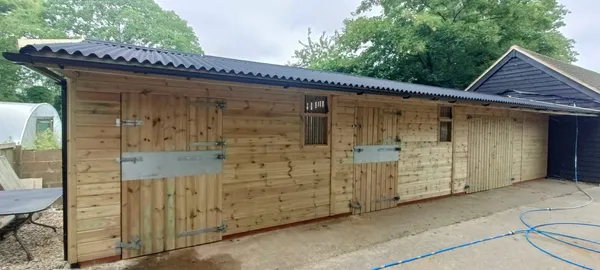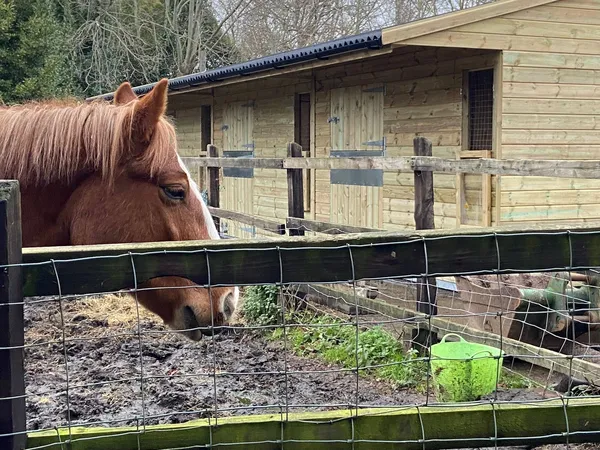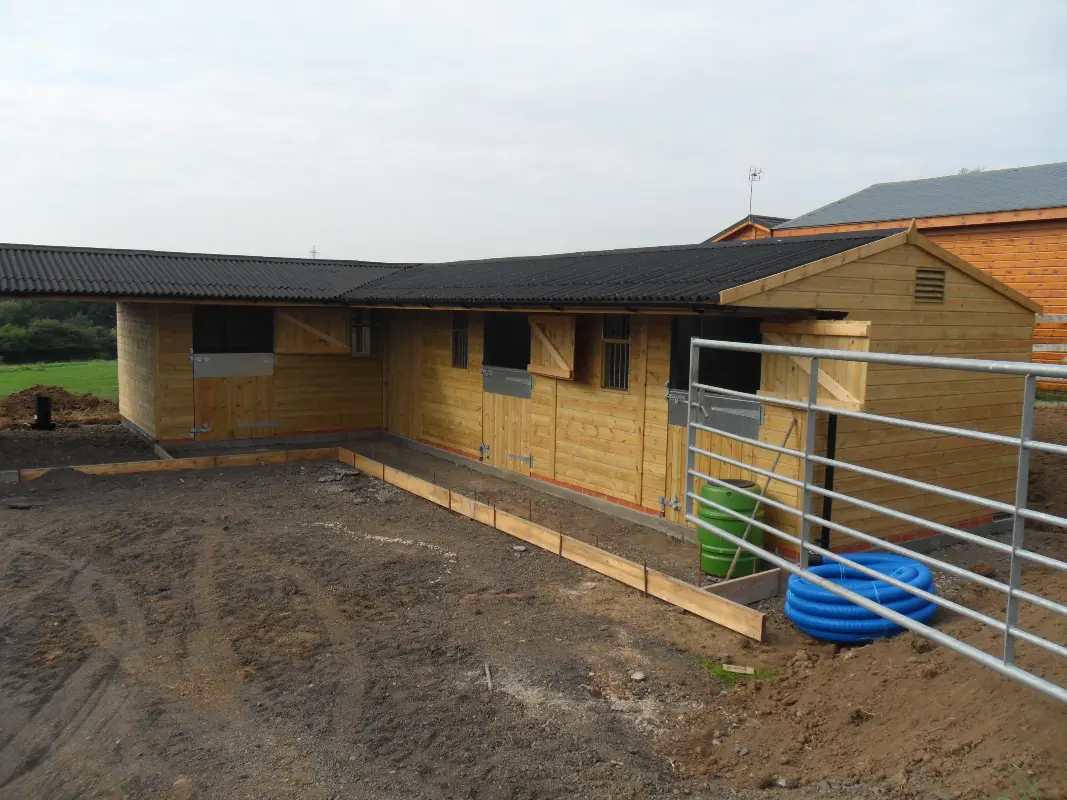
Chart wooden stables currently start from £3,070 + VAT for a single Clipper stable, including nationwide delivery and installation.
The final cost will depend on the number and size of the boxes, the stable range, layout, optional features and site conditions.
The following starting prices are for the Clipper range:
These prices include nationwide delivery and installation. They do not include groundwork, planning applications, services or optional upgrades.
These figures may change after we publish this article. Visit our wooden stables page for the current pricing.
A single Clipper stable from Chart currently starts at £3,070 + VAT. Prices increase if you choose a larger box, a higher stable range or additional features.
We also offer Chart and Chester ranges with heavier specifications and different design options.
A double Clipper stable block currently starts at £5,440 + VAT, including nationwide delivery and installation.
The final price will increase if you choose larger boxes, upgrade the range or add facilities such as a tack room, hay barn or wash bay.
Our prices include the timber stable building, delivery and professional installation.
The standard specification varies between the Clipper, Chart and Chester ranges.
Depending on the range, features may include:
Check the complete specification when comparing prices. A cheaper quote may be based on thinner materials or include fewer standard features, which can affect the building’s strength, safety and long-term maintenance needs.
The building price is only one part of the total project cost.
Depending on your site, you may also need to budget for:
Ask for quotes before placing an order. Groundwork can add considerably to the total cost, especially where the site slopes, drains poorly or has difficult access.
Our guide to laying stable foundations explains how to prepare a suitable base for a fixed timber building.
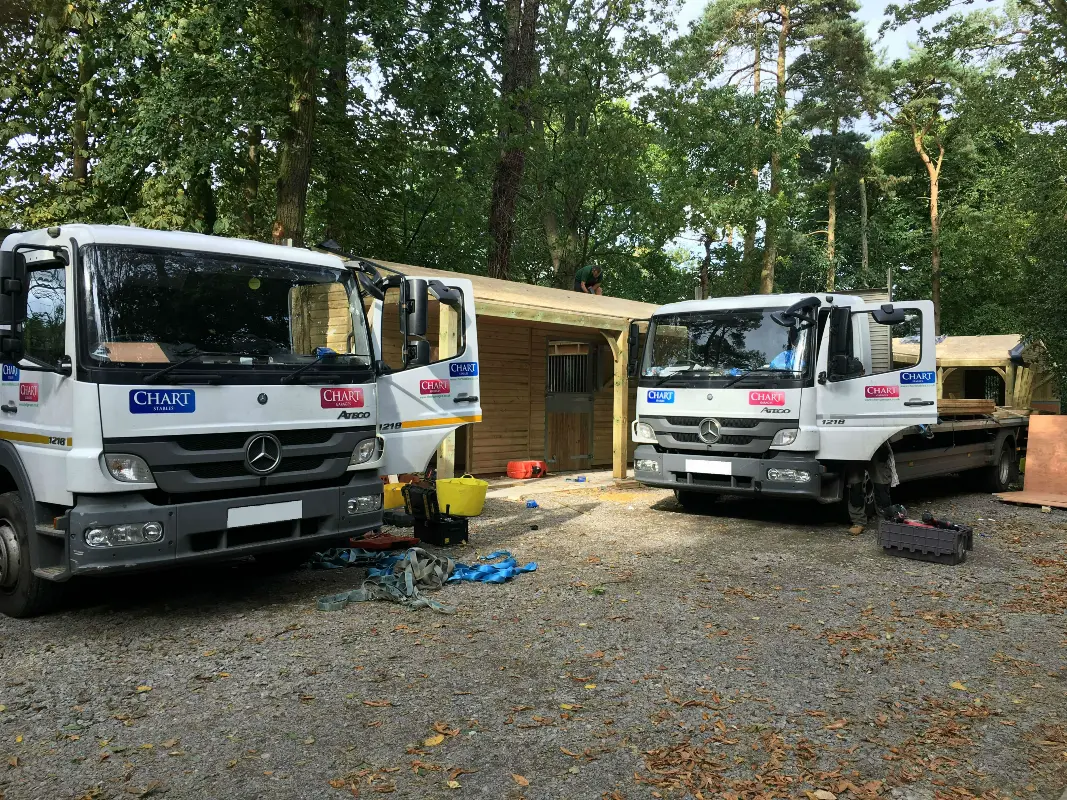
Even if two projects look similar on paper, they can vary widely in price.
A single box costs less than a multi-bay, L-shaped or U-shaped stable block. Larger boxes also require more materials and may affect the building’s height and roof design.
When deciding on the dimensions, consider both your current horses and any animals that may use the building later. Our horse stable size guide explains the recommended space for different horses and ponies.
The timber framing, cladding, internal lining and roofing specification all affect the price.
Chart offers three stable ranges. Clipper provides a practical entry-level specification, while the Chart and Chester ranges include heavier framing and additional features for more demanding requirements.
When comparing quotes, look at the complete specification rather than the headline price.
Soft soil, poor drainage or sloping ground may require more preparation before construction begins. Restricted access can also make delivery and installation more difficult.
Consider how large vehicles and equipment will reach the site. Gates, tracks, low branches and limited turning space can all affect the project.
Fixed timber stables will often require planning permission, especially where the development changes how the land is used.
Planning costs may include application fees, drawings, surveys and professional advice. Check with your Local Planning Authority before ordering the building or starting any groundwork.
Our guide to planning permission for stables explains the main considerations.
Tack rooms, hay barns, wash bays, larger canopies and additional doors or windows can make the yard more practical, but they also increase the price.
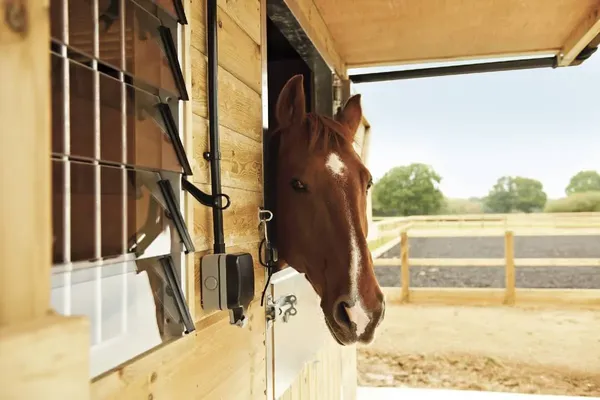
Other upgrades may include different roofing materials, additional anti-chew protection, talk grilles and enhanced ventilation. Choose features that will make a clear difference to the horses and the way you use the yard.
Our guide to horse stable upgrades explores the available options.
The cost of livery varies according to the location, facilities and level of care provided.
The British Horse Society’s horse cost guide estimates that DIY livery typically costs around £120–£300 per month. Part or full livery may range from approximately £400 to more than £1,000 per month.
This means livery alone could cost between £1,440 and more than £12,000 per year. However, the exact amount varies considerably between yards and regions.
Building stables at home replaces livery fees with a larger upfront investment. You will still need to budget for feed, bedding, utilities, maintenance, insurance and the upkeep of your land.
Compare the full costs over several years rather than assuming that a stable block will immediately pay for itself.
Well-built timber stables can be a worthwhile investment if you plan to keep horses at home for several years and have suitable land.
Owning your own stables can reduce or remove livery costs, save regular journeys to the yard and give you greater control over feeding, turnout and daily care. You can also design each box and facility around your horses and routine.
However, the decision should consider the complete project cost, future maintenance and the time required to manage horses at home. It is not simply a comparison between the building price and one year of livery.
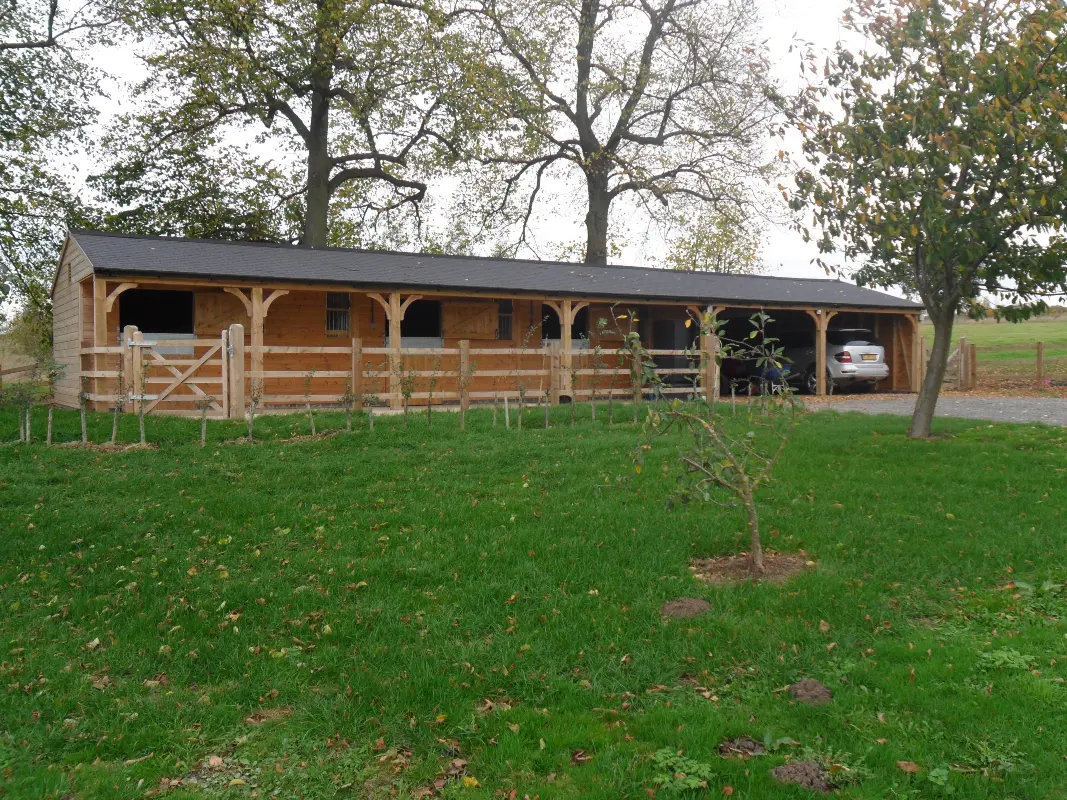
A well-designed stable block may make a property more attractive to equestrian buyers, especially if it has suitable grazing, safe access and useful facilities.
However, stables do not automatically increase a property’s value. Their effect will depend on the location, planning status, condition, design and demand for equestrian property in the area.
When comparing quotes, it is worth looking beyond the headline price. The build quality affects how well the stable stands up to daily use, changing weather and contact with horses.
Depending on the chosen range, Chart stables use 75mm × 50mm or 100mm × 50mm pressure-treated timber framing.
Stable specifications also include internal kickboards, galvanised fittings and anti-chew protection in vulnerable areas.
These details help protect the building and reduce avoidable damage. Regular inspections and prompt repairs will also help the stable perform well over time.
Choosing a robust timber stable provides greater reliability and may reduce the need for costly repairs or early replacement.
Long-lasting stables depend on good design, suitable materials and proper construction.
Choose a manufacturer that understands horse welfare and can provide a detailed specification. Ventilation, safe doors, kickboarding, drainage and sufficient space all affect how well the building works.
Good planning at the start will also make the stable block easier to use as your needs change. If you may need another box, tack room or storage area later, leave enough room for future expansion.
Since 1994, Chart Stables has designed and built timber equestrian buildings around individual horses, properties and routines. We can provide elevations for planning applications, a base plan for your groundwork contractor and guidance throughout the design process.
Explore our wooden stables and current prices, request a tailored quote or contact the Chart Stables team to discuss your project.
Do stable prices include groundwork?
No. Chart’s published starting prices include delivery and installation, but groundwork is separate. Ask a suitable contractor to quote from the base plan we supply.
Are stable prices shown with or without VAT?
Usually, stable prices exclude VAT.
Is a timber stable cheaper than a brick stable?
A timber stable will often cost less and take less time to install than a comparable masonry one. The final cost depends on the size, design, groundwork and specification.
Can I add another stable box later?
You may be able to extend a timber stable block later. Discuss your future plans with us during the design stage so the position and layout leave room for expansion.
How can I get an accurate stable price?
Choose the number and size of boxes, preferred range, layout and optional features. We can then prepare a quote based on your specification and location.