You’ll usually need planning permission to build permanent stables, while some mobile field shelters and private stables may not need it.
The rules depend on the building, its location and how you plan to use the land. Here’s a quick overview before we look at each situation in more detail.
*This guide covers planning rules in England. Different rules apply in Wales, Scotland and Northern Ireland.
You’ll usually need planning permission for:
You may not need planning permission for:
Always check with your Local Planning Authority before building, as the rules depend on your site, the structure and how you plan to use it.
A mobile field shelter is a temporary, movable structure designed to provide weather protection for grazing animals. These buildings are typically mounted on timber or metal skids, allowing them to be towed between paddocks.
Because they aren’t fixed to the ground, mobile field shelters are normally not treated as permanent buildings. In most cases, this means you won’t need planning permission as long as the shelter stays movable and is used for grazing animals.
To meet the definition of a temporary, mobile structure, the shelter should:
If a shelter stays in one place permanently, is fixed to the ground, or is used for stabling rather than grazing, your LPA may treat it as a permanent building that requires planning permission.
Councils can issue enforcement notices if they find that a mobile shelter is being used effectively as a fixed stable.
You may also need planning permission if:
It’s always best to check with your Local Planning Authority before building. Requirements vary between councils; some may ask for confirmation of size, materials, or how often it will be moved..
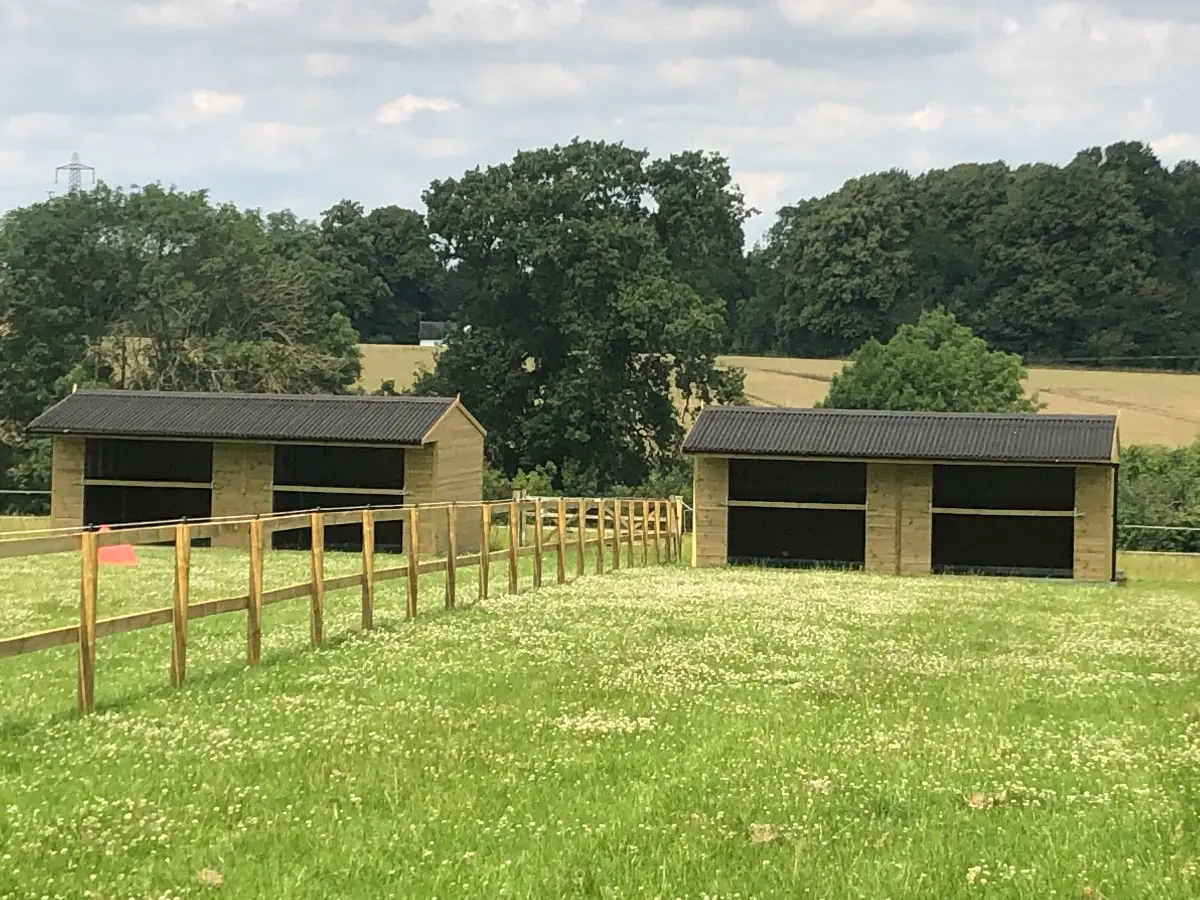
Permanent stables almost always need planning permission, especially when they’re built on agricultural or paddock land. The key question is whether the building is within your home’s grounds or on separate grazing land.
If you build stables within the grounds of your home and use them only for private leisure, some councils may consider them permitted development. This depends on local policy and the size of your plot. Ask your Local Planning Authority to confirm whether your plans qualify.
However, you’re more likely to need planning permission if:
The same rules usually apply to mobile stables or static field shelters that stay in one place or are used for stabling rather than grazing.
Always check with your Local Planning Authority before starting work. They may ask for site plans, design drawings, or information on how you’ll manage noise, waste, and vehicle access.
Your LPA will likely consider the building’s position, access and effect on the surrounding area. Learn more about choosing the best location for horse stables.
Planning permission also covers how the land itself is used. If you keep horses for recreation or leisure, that use is not classed as agriculture under planning law. Changing land from agricultural use (for crops or livestock) to equestrian use, therefore, often requires planning permission.
In short:
Many councils allow you to use the land for short-term activities, such as shows, for up to 28 days a year if you remove everything afterwards. This rule has some limits and does not cover permanent stables.
If you’re unsure, it’s best to check with your Local Planning Authority before you move horses onto new land.
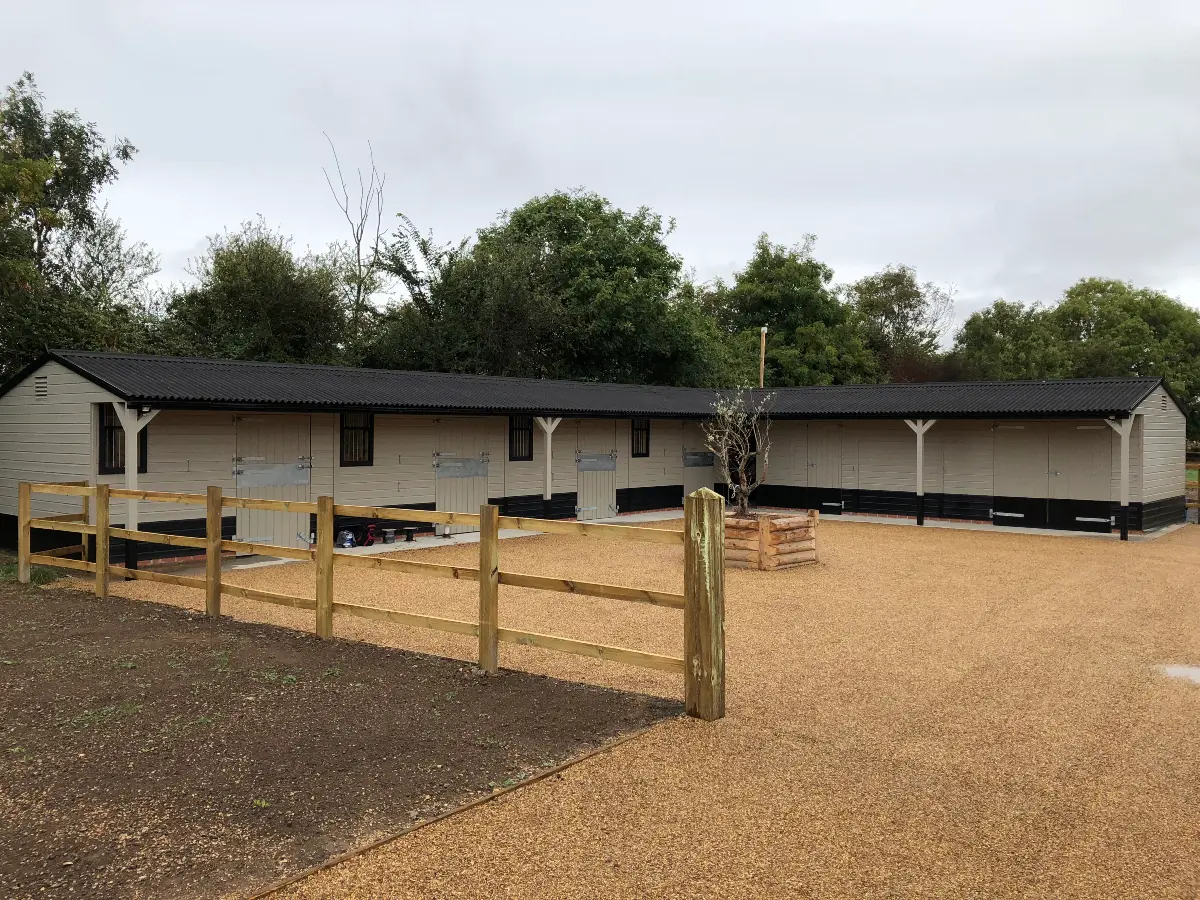
How to secure planning permission for building stables
If you need planning permission, your first step is to contact your Local Planning Authority. Most councils allow you to apply online through the Planning Portal.
Planning requirements and suitable designs can vary by location, so read our regional guides to building stables in Hampshire, Surrey and the Cotswolds.
You’ll need to provide site plans, design drawings, and a short statement explaining how the stables will be used and how you’ll manage access, waste, and drainage.
It’s often worth seeking pre-application advice before submitting your proposal. This can highlight any issues early and improve your chance of approval. A planner or architect familiar with stables can make the process easier.
Before applying, talk to your neighbours to see if they might be affected by the build. Addressing concerns about noise, smell, or traffic early can prevent objections later on. Use our pre-build stable checklist to review your site, access, layout and budget.
Most planning applications are decided within eight weeks, but complex rural projects can take longer.
After approval, check whether any planning conditions or building regulations apply before construction begins.
Planning rules can feel complicated, but taking the time to check them early will save you stress later. Always confirm the details with your Local Planning Authority before ordering or installing any structure.
At Chart Stables, we design and build timber stables and field shelters that not only meet welfare and safety standards but also fit sensitively into the landscape. Our team can guide you through the early stages of your project and help ensure your new building meets local requirements.
How close can stables be to a house?
England has no set minimum distance. Your Local Planning Authority will consider nearby homes, access, drainage, noise, smells and manure storage.
What is the 4-year rule for stables?
The four-year rule no longer applies to new stable buildings in England. Councils generally have 10 years to act against unauthorised building work completed on or after 25 April 2024. The old four-year limit may still apply to work completed before this date. Read the current GOV.UK guidance or seek professional advice.
Do you need planning permission for stables in your garden?
Not always. Permitted development rights may cover private stables within the grounds of your home. The stables must meet the relevant limits and be for your own use. Check with your Local Planning Authority before building.
How much does planning permission cost for stables?
The fee depends on your application and site. In England, an application for a building for private use within the grounds of an existing home costs £272 from 1 April 2026. Other applications may cost more. Check the current fee with the Planning Portal calculator.