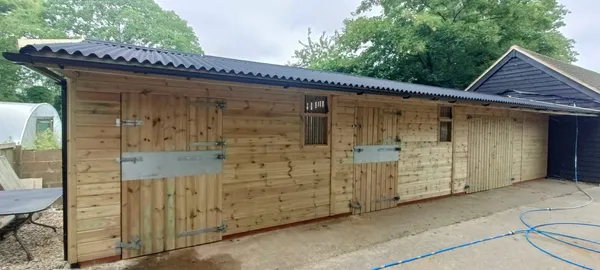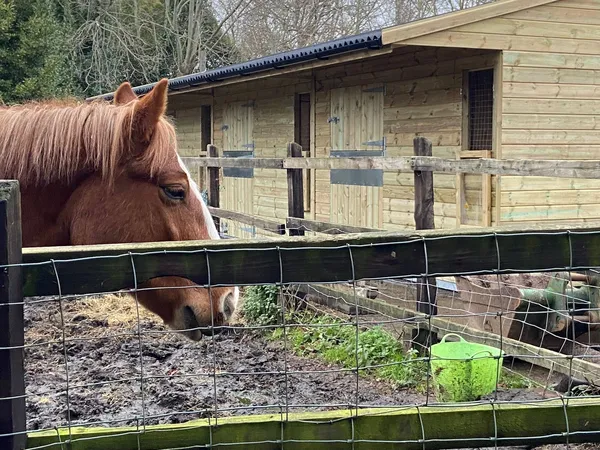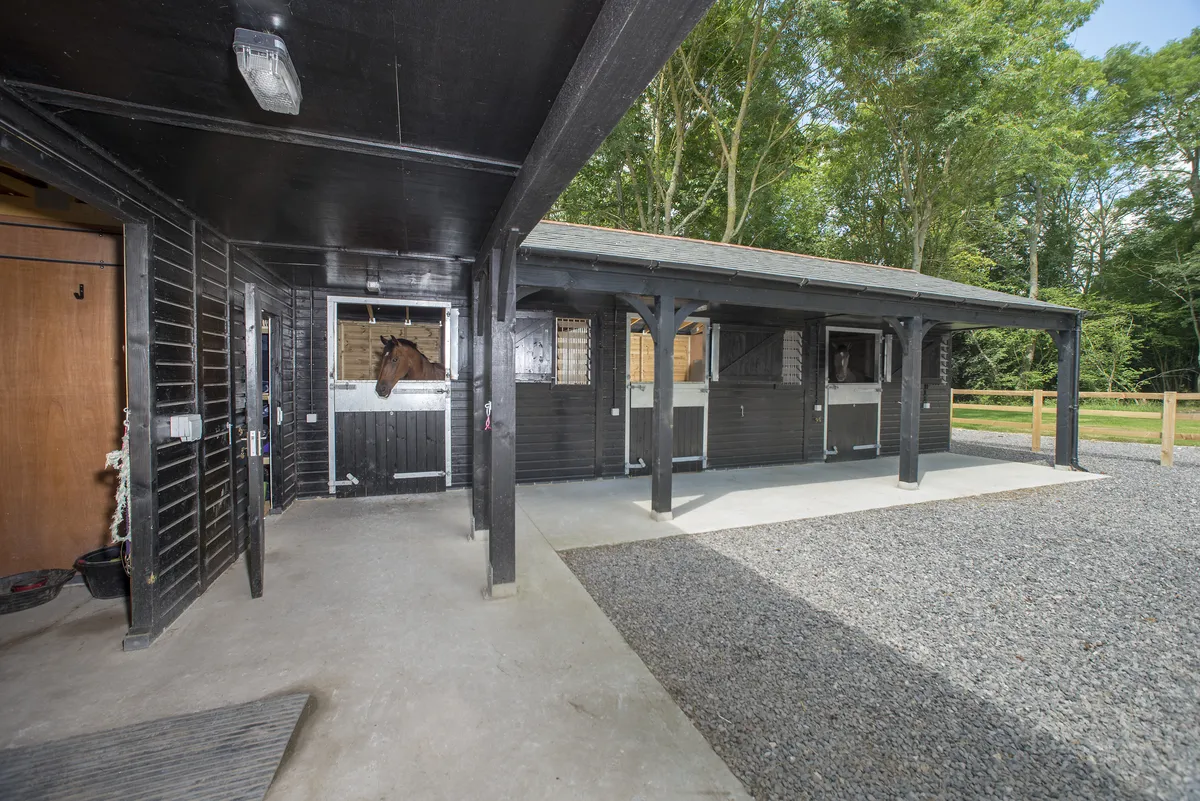
The most costly mistakes usually happen before construction begins. Choosing the wrong site, overlooking planning requirements or underestimating the space you need can lead to delays, extra work and a yard that is difficult to manage.
This article highlights eight common problems and explains how to avoid them. Where a topic needs more detail, you can follow the link to one of our dedicated planning or design guides.
Before choosing a design or ordering your stables, check whether you need planning permission.
Permanent stables will usually need permission, especially when built on agricultural or paddock land. You may also need permission to change how the land is used. The rules depend on the building’s size, location and use, as well as local restrictions.
Starting work without the necessary consent can lead to delays, extra costs or enforcement action. Contact your Local Planning Authority before building and read our guide to planning permission for stables.
Location is one of the most important decisions when planning new stables.
Poor drainage is often one of the biggest problems.
Building horse stables on low ground or poorly drained areas can lead to standing water, muddy gateways, slippery surfaces, and difficult winter access. These issues can make daily routines harder and increase maintenance.
Where possible, choose slightly elevated ground with good natural drainage and leave enough space for hardstanding, drainage solutions, and all-weather access routes around the block.
Weather exposure also matters.
Stables in exposed locations can be affected by strong winds and driving rain during winter, while stable blocks with little shelter or shade can become excessively hot during summer. Position horse stables in a sheltered area with natural shade while maintaining good airflow and ventilation throughout the year.
Access is another important consideration.
Hay deliveries, farrier visits, vet access, and horsebox manoeuvring need enough space and convenient access around the yard. Allow enough room for vehicles to enter, turn, and move safely around the site.
Poor foundations can affect drainage, stability and installation.
Read our guide to preparing stable foundations here.
Stable size is one of the areas where owners often try to cut costs initially.
Horse stables with limited space can become less comfortable and practical over time, especially for larger horses or horses that spend longer periods indoors.
According to the British Horse Society’s stable safety guidance, horses generally need a minimum 12ft × 12ft (3.65m × 3.65m) box, while large horses of 17hh or more need at least 12ft × 14ft (3.65m × 4.25m). Some horses may need more space because of their build, health or routine.
Headroom is equally important. Low ceilings can restrict airflow and make stables feel darker and more enclosed. Allow sufficient height to promote good ventilation and create a lighter, more comfortable environment for both horses and owners.
Read our horse stable size guide for more detailed recommendations.
It’s tempting to reduce costs, but choosing the cheapest materials for horse stables can often create more expense in the long term.
Lower-quality timber, roofing, and fittings may look similar, but they often deteriorate much faster once exposed to weather and daily use. This can lead to more frequent repairs, higher maintenance costs, and a shorter lifespan.
Timber quality is particularly important. Cheaper timber stables tend to be more susceptible to warping, moisture damage, and general wear over time.
Roofing materials also vary considerably in durability and performance, especially in exposed locations where buildings are subjected to strong winds and heavy rainfall.
Doors, hinges, fixings, and kickboards see daily use and need to withstand both weather and knocks from horses. Lower-grade components can loosen, rust, warp, or wear out much sooner than expected.
When comparing horse stables, look beyond the initial purchase price. Consider the quality of the timber, roofing, fittings, and overall construction. Higher-quality materials often last longer, require less maintenance, and provide better long-term value than cheaper alternatives.
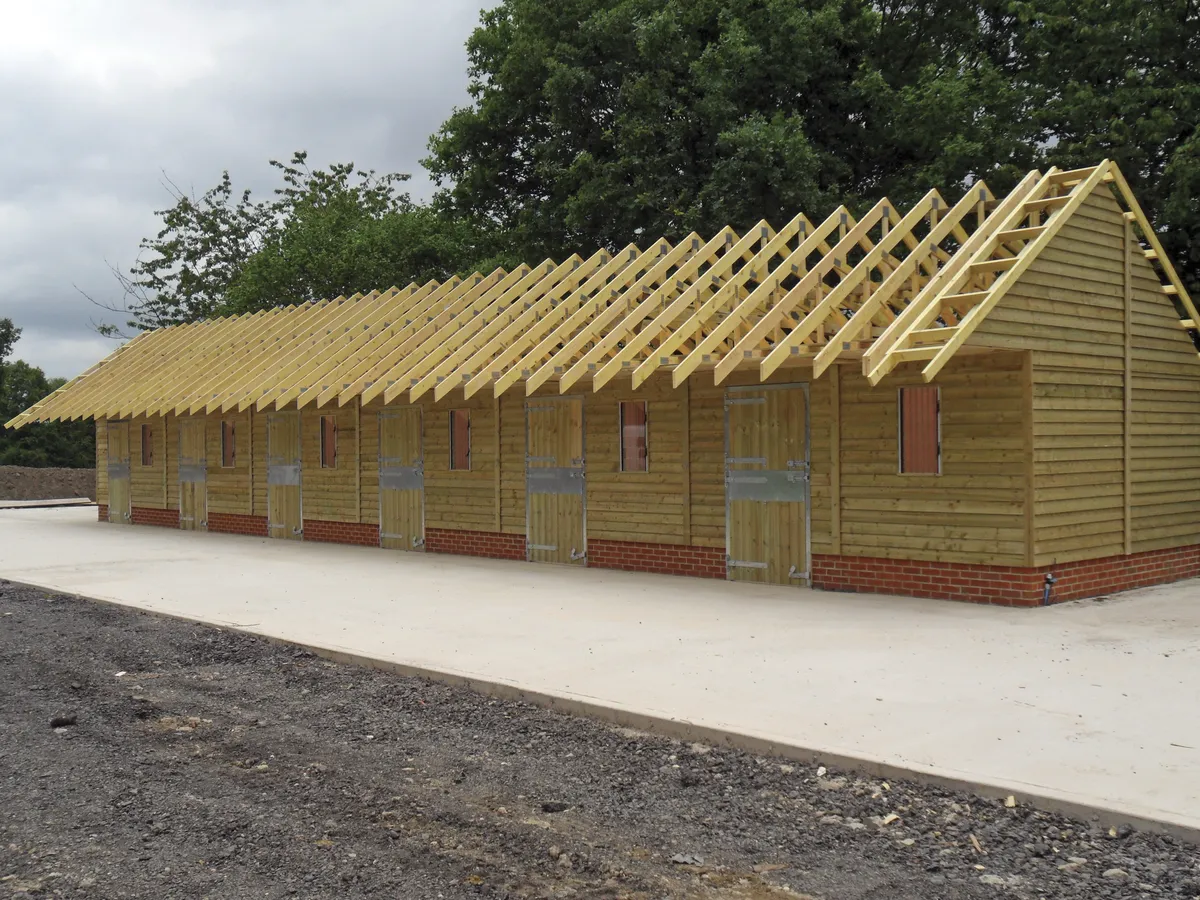
Poor ventilation is another common mistake first-time owners make when planning horse stables.
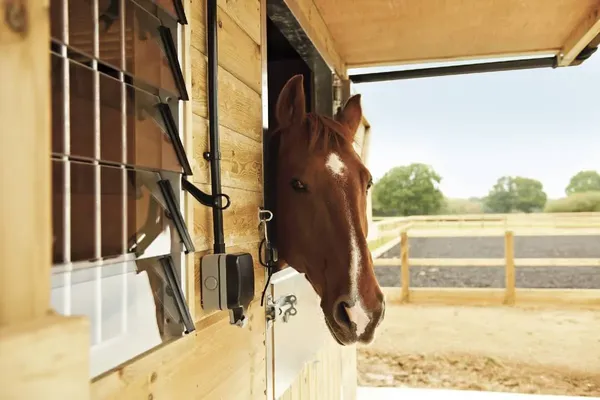
Stable blocks that are too enclosed can restrict airflow and allow moisture to build up inside the building. Limited ventilation gaps and blocked openings can lead to stale, damp conditions and affect horses’ comfort and respiratory health over time.
Include ventilation features to allow fresh air to circulate naturally without exposing horses to strong draughts. Good ventilation should provide consistent airflow throughout the year, even during colder months. Learn more in our guide to stable ventilation.
Natural light is equally important. Dark stables can feel less comfortable for horses and make everyday tasks more difficult, particularly during winter mornings and evenings.
Include well-positioned doors and windows within your horse stable layout to maximise natural light.
Tasks such as feeding, mucking out, carrying water, moving bedding and handling horses take place throughout the day. A poorly planned layout can make these routine jobs more time-consuming and physically demanding than necessary.
Position feed rooms, tack rooms, water supplies and other working areas within easy reach of the stables. Keep hay and bedding storage convenient without compromising fire safety or blocking access. Make sure wheelbarrows can move easily between key areas and allow enough space for horses, people and equipment to move safely around the yard.
Avoid narrow walkways and cramped turning areas, particularly if machinery, trailers or multiple horses regularly use the yard.
Not all horses suit the same environment. Nervous, dominant, young and older horses often have different needs when it comes to visibility, noise levels and social contact.
Some horses become stressed when isolated from other animals, while others can feel unsettled in busy yards with constant activity. Consider which horses may benefit from more visibility and social contact and which may feel calmer in quieter areas of the yard.
It is also worth thinking beyond your current requirements. You may own larger horses in the future, need additional storage or adapt the yard for older horses with different management needs.
Leaving room for larger stables, wider access areas or future additions can make the yard easier to adapt over time.
First-time owners often leave lighting, water, and power supplies until later in the stable planning process. However, these services can have a significant impact on how practical and safe the yard is to use throughout the year.
Poor yard lighting is a common issue, particularly during winter when horses are often handled in the dark in the early mornings and evenings. Limited lighting around entrances, walkways, and working areas can make routine tasks more difficult and increase the risk of accidents. Ask a qualified electrician to specify and install electrical equipment suitable for the stable environment.
Reliable water access is essential. Long hose runs, poorly positioned taps, frozen pipes, and the need to carry water buckets across the yard can all make daily management less efficient, especially during winter.
Power supplies are equally important. You will likely need electricity for lighting, clippers, charging equipment, tack room use, and other day-to-day tasks around the yard.
Plan the location of lighting, taps, drainage, and power supplies before construction begins to ensure they are where you will need them the most.
Our professional horse yard design guide covers water supplies, access and other practical facilities in more detail.
Another common mistake is underestimating how much additional space you might need around the yard.
Bedding, feed, rugs, tools, wheelbarrows, and everyday equipment can take up more room than expected, especially in winter when you have to store more supplies on-site. When calculating the overall footprint, allow for these areas as well as the boxes themselves.
Without sufficient covered storage, weather can damage hay and bedding, while machinery and equipment can create unnecessary clutter around the yard. Storing materials too close to the stable block can also create practical and fire-safety risk.
Planning extra storage and open yard space from the beginning can make the stable yard more practical in the long-term. Our guide to choosing your ideal stable block layout covers layouts that can include tack rooms, hay stores and other facilities.
The decisions you make during the design stage can affect horse welfare, daily routines, maintenance and how efficiently your yard works for years to come. Careful planning now can help you avoid costly changes later.
At Chart Stables, we design and build bespoke timber stables around your horses, property and routine. Your stable block can include tack rooms, hay stores and other practical storage areas.
We deliver and install wooden stables across the UK and also offer self-assembly kits. Contact our team today to discuss your site and start planning a stable block that works for you.
Can you build a stable yard in stages?
Yes. Plan the full layout, drainage, access and utilities from the beginning, even if you plan to add boxes or storage later.
What information does a stable designer need?
They will need to know about your horses, land, daily routine, required storage, vehicle access, budget and any changes you may make in the future.