Keep horses cool by providing constant access to fresh water and shade, adjusting turnout and exercise times, and cooling them with cold water when necessary. Monitor each horse closely, as temperature, humidity, workload and individual health can all affect how well they cope.
This guide focuses on the day-to-day care that can help horses stay safe and comfortable during hot weather.
During hot weather:
Water intake increases significantly in hot weather, as horses lose fluids through sweating. Ensuring they drink enough is one of the most important parts of summer horse management.
For a typical 500kg horse, intake can rise to around 50–70 litres per day in warm conditions, especially if the horse is exercising. Larger or more active horses may need more.
Provide multiple water sources and place them in shaded areas where possible. Clean troughs and buckets regularly to prevent algae and bacteria from building up.
Pay attention if your horse starts drinking less than usual. Contact your vet if the change is significant or you have concerns.
You can encourage your horses to drink by lightly flavouring water, for example, with a small amount of apple juice. Always provide plain water alongside this, so they can choose.
Adding moisture to their diet can also support horse hydration. According to the British Horse Society, soaking or steaming hay is one way to increase water intake.
The BHS advises soaking hay for 6–12 hours in clean, cold water or for about one hour in warm water. Less time may be needed during warmer weather to reduce the risk of mould and bacteria growing. Steaming adds moisture while retaining more of the hay’s nutritional content and can help reduce mould and bacteria.
Make any changes to forage gradually to reduce the risk of digestive problems.
Adjusting your horse’s daily routine is one of the simplest ways to reduce the risk of heat stress.
During hot weather, consider turning horses out early in the morning or later in the evening, when conditions are cooler and more comfortable.
Some horses may be more comfortable in a cool, well-ventilated stable during peak heat. Others may prefer to stay in the paddock, provided they have constant access to water and suitable shade or shelter. Monitor your horse and the conditions to decide what works best.
It is also a good idea to reduce their workload. Lower the intensity or duration of exercise and allow more time for rest and recovery. Bear in mind that routine handling, such as grooming or tacking up, may also feel more demanding in high temperatures.
Plan any travel carefully and arrange it for cooler parts of the day where possible. Make changes to your horse’s routine gradually.
Cooling a horse after exercise is essential in hot weather. Horses generate significant heat during work, and without effective cooling, it can build up quickly.
Start by slowing the pace gradually, allowing the horse’s breathing and heart rate to begin returning towards normal.
Continuously apply cold water over the horse’s body using a hose or repeated buckets and sponges. Do not scrape the water off, as leaving it on allows evaporation to support the cooling process.
Monitor the horse’s breathing, heart rate, temperature and behaviour as it recovers. Keep walking the horse if it is still breathing heavily, and continue cooling until its recovery returns to normal. Contact your vet immediately if the horse shows signs of heat-related illness or does not recover as expected.
Heat stress and dehydration can develop quickly in hot weather.
According to the British Horse Society, early signs to watch for include:
Serious signs of heat exhaustion can include:
One sign on its own doesn’t always mean dehydration, but a combination of symptoms makes it more likely and more serious.
If you think your horse has a heat-related illness, contact your vet immediately. Move the horse into shade, offer fresh water and continuously apply cold water over its body without scraping it off while you wait for help.
During heatwaves, extra care and closer monitoring are essential.
Check horses more frequently throughout the day, paying attention to water intake, behaviour and signs of heat stress. Conditions can change quickly, especially during long hot spells.
Provide constant access to clean, fresh water and suitable shade or shelter. Reduce or pause strenuous exercise and focus on keeping horses comfortable rather than maintaining their usual workload.
Horses that lose significant fluid through sweating may benefit from electrolytes. Follow your vet’s or the manufacturer’s guidance, and always provide plain water alongside water containing electrolytes.
Flies and biting insects are more active in warm conditions and can cause irritation, stress and disruption to normal behaviour. Horses with pink skin and grey or white hair may also be more vulnerable to sunburn.
To reduce exposure:
Check sun protection and fly equipment regularly for rubbing or damage.
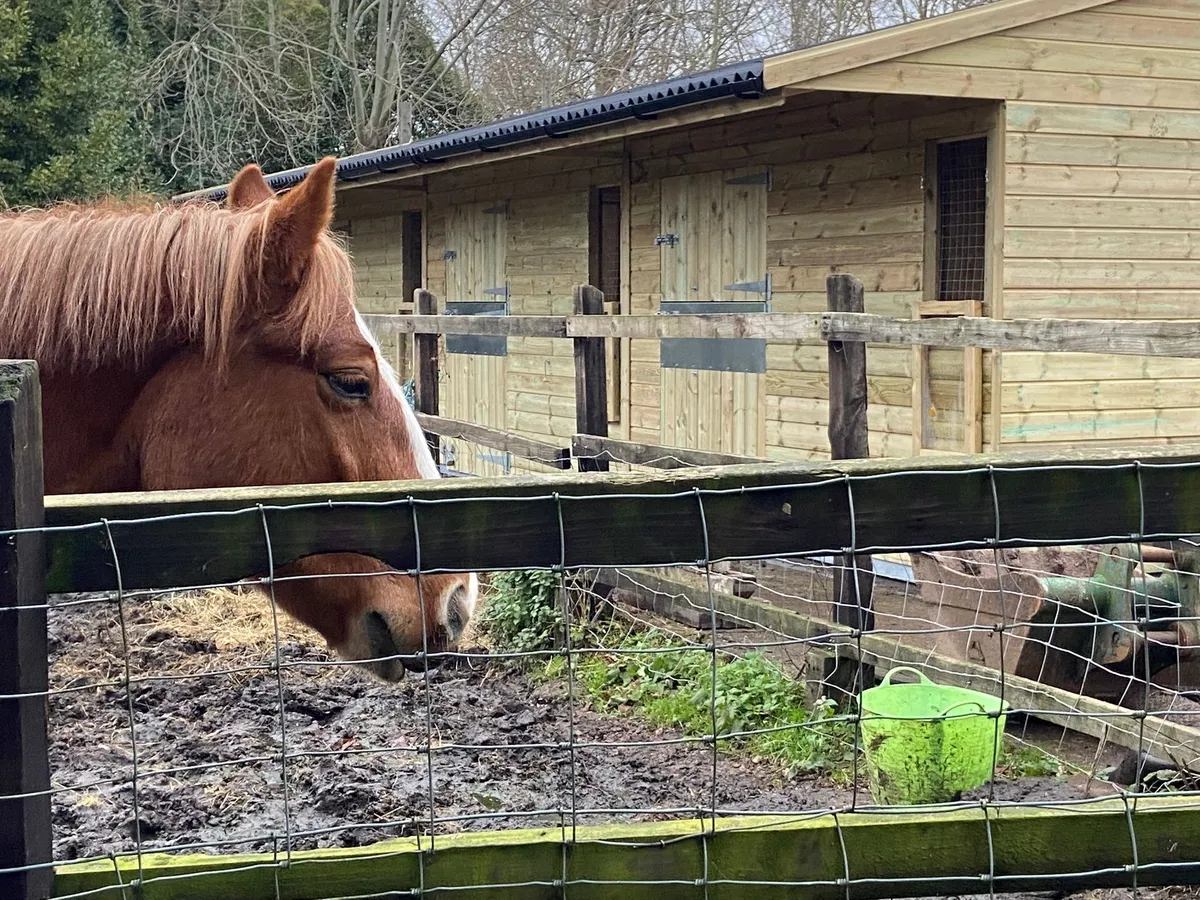
Chart Stables’ mobile field shelters provide movable shade and weather protection for horses living out.
Day-to-day care plays an important role during hot weather, but good stable design can also help create a cooler, more comfortable environment.
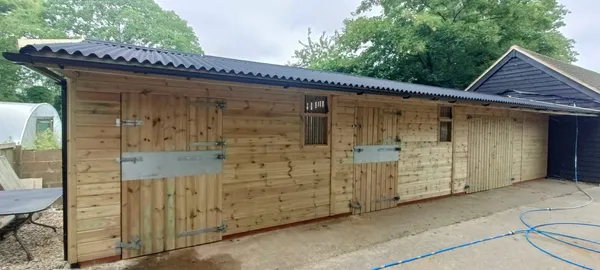
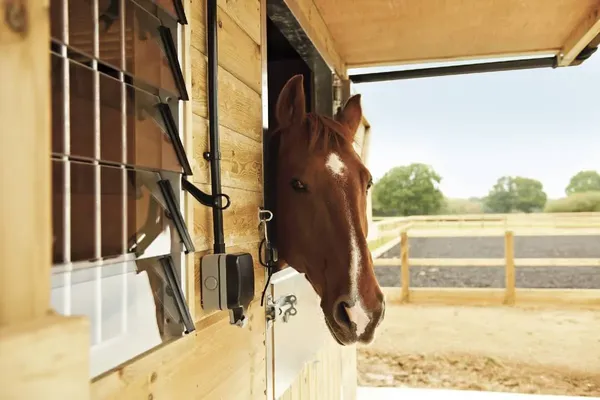
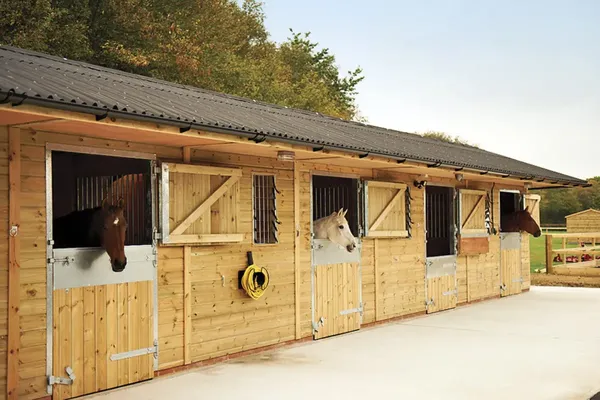
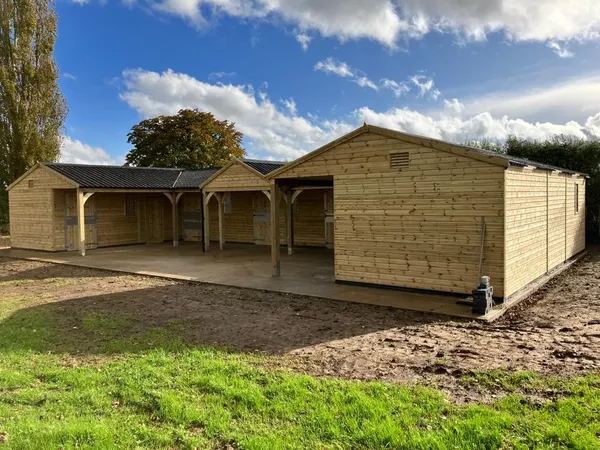
Vents, talk grilles and American barn top doors improve airflow, while an extended canopy provides additional shade and shelter. Our guide to keeping stables cool in summer and warm in winter explains these building features in more detail.
At Chart Stables, we design and build timber stable blocks around your horses, property and daily routine. Explore our timber horse stables or contact our team to discuss your plans.
What do horses need in the summer?
Horses need constant access to fresh water and suitable shade or shelter. During hot weather, adjust exercise and turnout times, provide good airflow and check regularly for signs of heat stress.
Should horses be stabled in hot weather?
A cool, well-ventilated stable can provide shelter during the hottest part of the day. However, a hot or poorly ventilated stable may be less comfortable than a paddock with constant water and suitable shade. Choose the option that best suits your horse and the conditions.
How much water does a horse need on a hot day?
A typical 500kg horse may drink around 50–70 litres of water per day in warm weather. Exercise, body size, diet and individual needs can increase this amount, so provide constant access to clean, fresh water.
Should you scrape water off a hot horse?
No. Keep applying cold water and leave it on the horse to help them cool down. The British Horse Society advises against scraping it off.
Can you ride a horse during hot weather?
You may be able to ride during cooler parts of the day, depending on the temperature, humidity and your horse’s health and fitness. Reduce the intensity or duration of exercise and monitor the horse closely. Avoid riding in extreme conditions.