At Chart Stables, mobile field shelters currently start from £2,955 plus VAT. The final cost depends on the size, range, skid type, roofing, optional features and installation requirements.
The initial price is only part of the picture. Timber quality, framing, fixings and skids affect how well a shelter stands up to regular use and how much maintenance it may need.
Chart Stables’ current starting prices are:
In this guide, we explain what you are paying for and how to choose a shelter that suits your horses, land and budget.
If you are still deciding which type of building you need, compare stables and field shelters.
Here are the main elements that influence cost:
Our guide to choosing the best location for a mobile field shelter covers drainage, wind protection and seasonal changes.
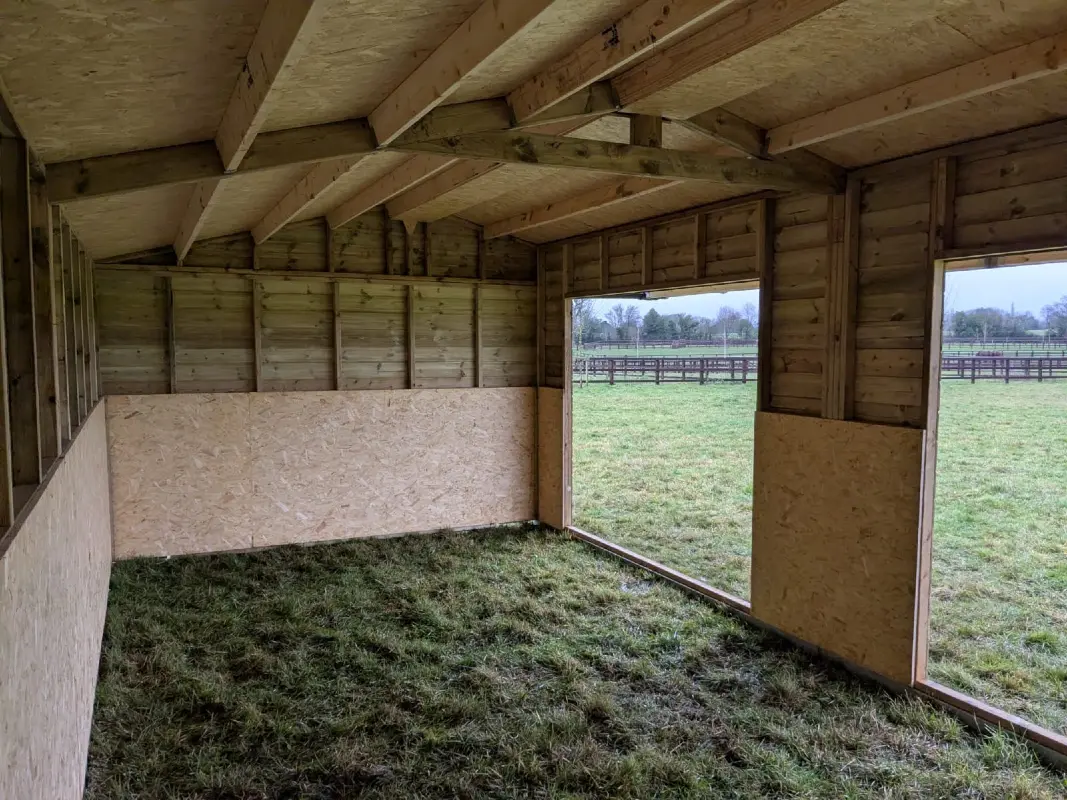
It’s tempting to choose the cheapest option on the market, especially when a basic shelter seems to provide the essentials. But build quality can determine how much you spend in the long run.
Some lower-priced shelters use thinner framing, untreated timber or lightweight fixings that may struggle against wind and wet conditions. Over time, these compromises can lead to warping, leaks or movement issues when towing. Repairs and replacements can quickly outweigh the initial savings.
On the other hand, a well-constructed field shelter made from pressure-treated timber with strong joints, durable roofing and solid skids can last for many years with regular maintenance.
Quality materials and craftsmanship may cost more at first, but they can deliver lasting value through reduced maintenance, reliable performance and year-round protection for your horses.
A mobile field shelter needs very little upkeep, but a few simple checks each season will help it last for many years.
With regular maintenance, a high-quality mobile shelter can remain in good condition for many years.
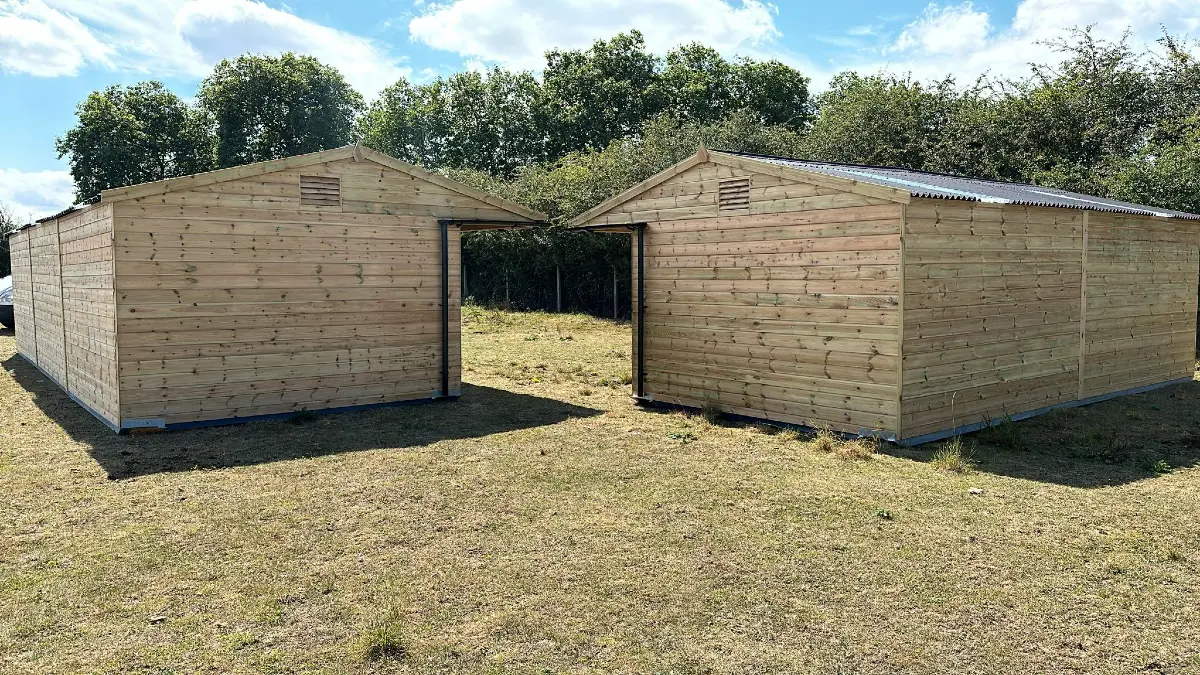
Chart Stables has been building high-quality equestrian timber buildings for over 30 years.
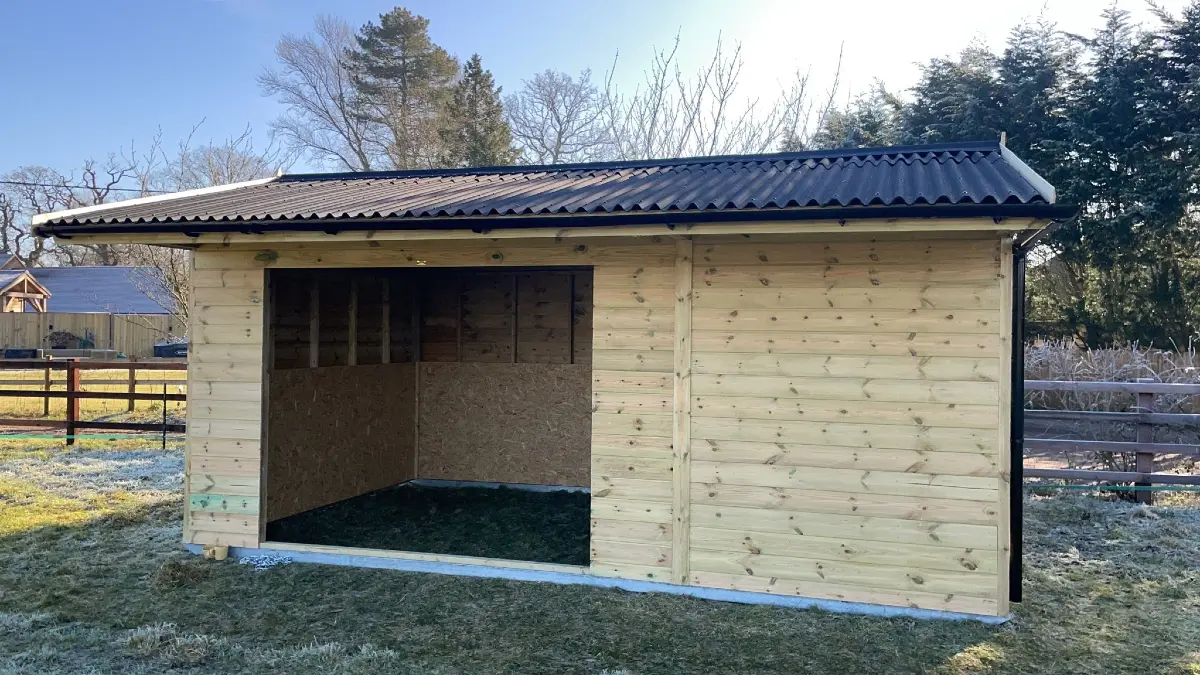
Our mobile field shelters are designed to provide sturdy, flexible protection for horses and livestock without the need for expensive groundworks.
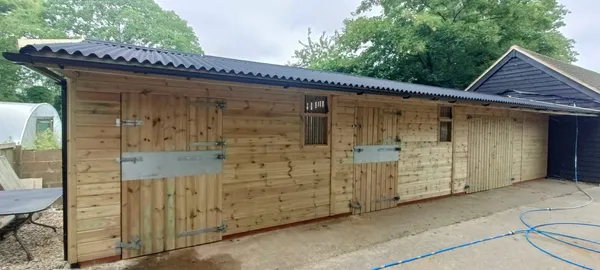
Our mobile field shelters come complete with skids, a towing chain, anchor points and guttering. The Chart range also includes galvanised anti-chew strips around the openings. Inside, the shelters are lined to 1.2m (4ft) with OSB kickboards for rigidity and protection against kicking.
You can choose between pressure-treated timber skids and galvanised metal skids, depending on your ground conditions and how frequently you plan to move the building.
Chart Stables offers two main ranges:
Both ranges come with black Onduline roofing as standard, with the option to upgrade to Onduvilla tiles for a different finish.
Every building is made to order, so you can tailor the size, cladding, lining and roofing to your needs. Our mobile field shelters can be supplied fully installed or as a DIY kit. Get in touch today to request a quote.
Do I need planning permission for a mobile field shelter?
You may not need planning permission if the shelter remains movable, is not fixed permanently to the ground and is used to shelter grazing animals. However, the rules depend on your site and how you use the shelter, so always check with your Local Planning Authority. Read our planning permission guide for more information.
How long does a mobile field shelter last?
A well-built mobile field shelter can last for many years. Its lifespan will depend on the materials, construction, location, how frequently you move it and how well you maintain it.
What size field shelter do I need for two horses?
British Horse Society guidance indicates that two horses need a shelter around 4.5–5.15m wide and 3.65m deep as a minimum. Consider a larger shelter if you have large horses or one horse tends to dominate the other.
How do you move a mobile field shelter?
Use the towing chain to move the shelter on its skids with a suitable 4×4 or tractor. Check the skids, chain, route and ground conditions first, and never move the shelter while animals are inside.