Ventilation brings fresh air into the stable and allows heat, moisture, dust, ammonia and stale air to escape.
Without enough airflow, dust, mould and ammonia from urine can build up and affect your horse’s breathing. This can become more of a problem when horses spend long periods inside.
To improve airflow and air quality:
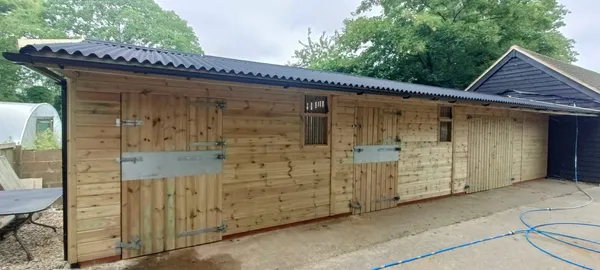
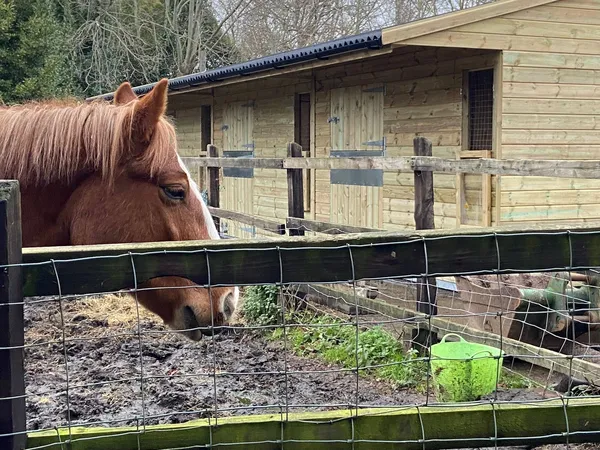
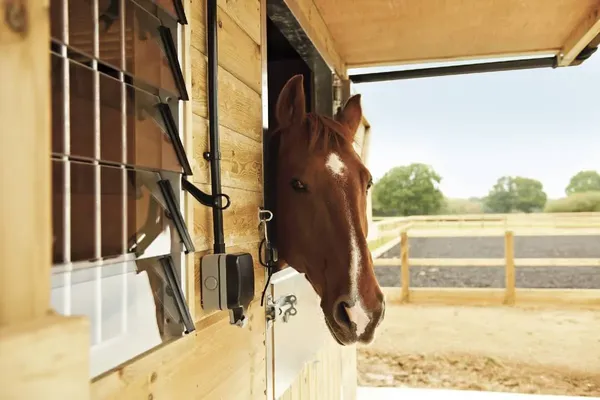
Open top stable doors and windows let fresh air into each box. Openings on different walls help air move through the stable and allow warm, stale air to escape.
Use safe window materials and fit secure mesh or bars between the horse and the opening. Position windows where they provide fresh air and natural light without putting the horse at risk.
In an American barn, top doors at the rear of each box can work with the main barn doors and high-level vents to keep fresh air moving through the building. They also give horses an outside view and can be closed during bad weather.
Stables still need ventilation during winter. Closing every door and window can trap moisture, dust and ammonia inside.
Warm, damp air rises. Roof vents, gable vents and open trusses give it a way to leave the stable block or American barn.
The British Horse Society recommends leaving 60-90cm (2-3ft) between the horse’s ears and the eaves when it stands normally. This gives the horse enough headroom and helps air circulate.
Our horse stable size guide explains box sizes and roof clearance in more detail.
Talk grilles allow air to move between neighbouring boxes. They also let horses see and interact with one another.
Our guide to the best stable design features explains how talk grilles, windows, doors and roof features fit into a complete stable design.
Signs of poor stable ventilation include:
These problems are usually easier to notice in the morning after the stable has been closed overnight.
Poor air quality can cause coughing, nasal discharge, breathing difficulties or reduced performance. As these signs can have several causes, ask your vet for advice.
Good ventilation also depends on how you manage the stable. Daily tasks can help reduce dust, damp and ammonia inside the box.
To keep the air fresher:
At Chart Stables, we plan ventilation around the building, its position and the horses using it. Depending on the design and range, you can include opening windows, high-level vents, open trusses, talk grilles and American barn top doors.
We can position additional doors and windows to improve airflow and bring more natural light into each box. We can also help you balance ventilation with weather protection, privacy and your horses’ individual needs.
Explore our timber stables and American barns, or contact our team to discuss your stable design.
Should stable windows stay open in winter?
Where possible, keep suitable windows open to maintain airflow. Adjust them according to the weather, but do not close every source of ventilation.
Is opening the stable door enough ventilation?
Not always. Fresh air needs a way to enter and stale air needs a way to escape. Windows, roof vents, open trusses and rear openings can all help.
Can fans replace natural stable ventilation?
No. Fans can help move air around, but stables still need permanent ventilation. Keep fans and cables safely out of the horses’ reach.
Do American barns need more ventilation than traditional stables?
American barns need careful ventilation because heat and moisture can become trapped inside. Main doors, roof vents, windows and rear top doors can help keep air moving.
Should you close stable vents during bad weather?
Not all of them. You can close those exposed to strong wind or driving rain, but leave another safe route for fresh air.
How often should you check stable ventilation?
Every day. Look for condensation, damp, dust, mould or strong smells, and make sure windows and vents are clear.